
Perform Pitru Tithi Shradh Puja with Experienced Pandits
Book Your Puja
Tailored spiritual experiences for every need

What is Tithi Shradh Puja?
Tithi Shradh Puja is a Hindu ancestral ritual performed annually on the lunar date, or Tithi, on which a person’s death occurred. It is performed to remember departed family members, offer prayers, and seek peace and blessings for their souls. Unlike rituals based solely on the Gregorian calendar, Shradh follows the Hindu lunar calendar, making the correct Tithi important for performing the ceremony.
People often ask how to know Shradh Tithi for a departed family member. The Tithi is generally determined from the person’s date and time of death and the Hindu Panchang. If you are wondering Shradh ki Tithi kaise nikale, a knowledgeable pandit can calculate the appropriate lunar date according to the family’s location and traditional Panchang.
During Pitru Paksha, each lunar Tithi is associated with ancestral rituals. For example, Navami Tithi Shradh is performed for ancestors whose death anniversary falls on Navami Tithi. Similarly, devotees may search for today Shradh Tithi to identify which Shradh should be performed on a particular day.
A common question is Tithi Shradh vs Pind Daan. Tithi Shradh is specifically performed annually on the ancestor’s death Tithi, whereas Pind Daan involves offering sacred pind to ancestors and may be performed during Pitru Paksha or at designated pilgrimage sites.
Tithi Shradh Puja Vidhi
The Tithi Shradh Puja Vidhi follows traditional Vedic practices and is performed on the specific Shradh Tithi of the departed ancestor. The exact procedure may vary according to family traditions, regional customs, and guidance from the performing pandit.
Sankalp: The devotee begins by taking a Sankalp, mentioning the ancestor’s name, lineage, and the purpose of performing Shradh.
Invocation of Ancestors: The pandit invokes the Pitru Devatas through appropriate Vedic mantras and prayers, seeking their presence and blessings during the ceremony.
Pind and Tarpan: Pind offerings made from rice and other sacred ingredients are prepared and offered to the ancestors. Tarpan is then performed using water, black sesame seeds, and Kush grass.
Shradh Offerings: Food, fruits, flowers, and other traditional offerings are presented in remembrance of the departed soul. The family performs these rituals with devotion and gratitude.
Brahmin Bhoj: In many traditions, food is offered to Brahmins after the main rituals as an important part of Shradh observance.
Dakshina and Prayers: The ceremony concludes with Dakshina and prayers for the peace of the departed ancestor and blessings for the family’s well-being.
Benefits of Tithi Shradh Puja
The Tithi Shradh importance lies in honoring departed ancestors on the specific lunar date associated with their passing. According to Hindu traditions, performing this annual ritual with devotion helps families fulfill their ancestral responsibilities and seek the blessings of their Pitru. Key benefits include:
Helps devotees honor and remember departed ancestors through sincere prayers and traditional Vedic rituals.
Seeks peace and spiritual well-being for departed souls through offerings, Tarpan, and respectful remembrance.
Fulfills the family’s traditional duty towards ancestors by performing Shradh on their appropriate lunar Tithi.
Seeks ancestral blessings for family harmony, prosperity, happiness, and overall spiritual well-being.
Provides an opportunity for family members to express gratitude and respect towards previous generations.
Helps preserve important ancestral customs and religious traditions by continuing the practice of annual Shradh rituals.
Offers spiritual satisfaction to devotees by fulfilling their responsibilities towards departed family members with devotion.
Allows families to perform meaningful ancestral rituals during Pitru Paksha or on the specific annual death Tithi.
Brings family members together to participate in prayers, offerings, and remembrance of their departed loved ones.
When performed under an experienced pandit’s guidance, the ceremony follows appropriate Vedic procedures and family traditions.
Book Tithi Shradh Puja Online or In Person
Arrange a properly guided Tithi Shradh Puja for your departed ancestors with verified pandits and convenient support from booking through the ceremony.

Offline / Online Tithi Shradh Puja
With Pandits Near Me, you can perform Tithi Shradh Puja through both offline and online services.

Offline Tithi Shradh
Tithi Shradh Performed By Vedic Pandit At Holy Places Or Your Location
- •Book a verified pandit to perform the ceremony at your home or a suitable sacred location.
- •Perform Sankalp, Tarpan, Pind offerings, and prayers personally with the guidance of an experienced pandit.
- •Get assistance with the required puja samagri and traditional preparations.
- •Suitable for families who wish to gather and perform ancestral rituals together.

Online Tithi Shradh
Tithi Shradh Performed By Vedic Pandit On Video call
- •Participate in the Shradh ceremony remotely through a live video session.
- •Ideal for devotees who cannot travel but still wish to perform the ritual with proper Vedic guidance.
- •The pandit can arrange the required rituals and offerings while you participate from home.
- •Convenient for devotees living in another city or country while keeping the ceremony connected to their family traditions.
How We Help
See how it works and simplify your puja booking experience.

Select Your Puja

Provide Your Details

Get Call From Us

Puja Confirmed

Types of Shradh Puja We Offer
Choose the right Shradh Puja based on your family’s traditions and ancestral rituals.
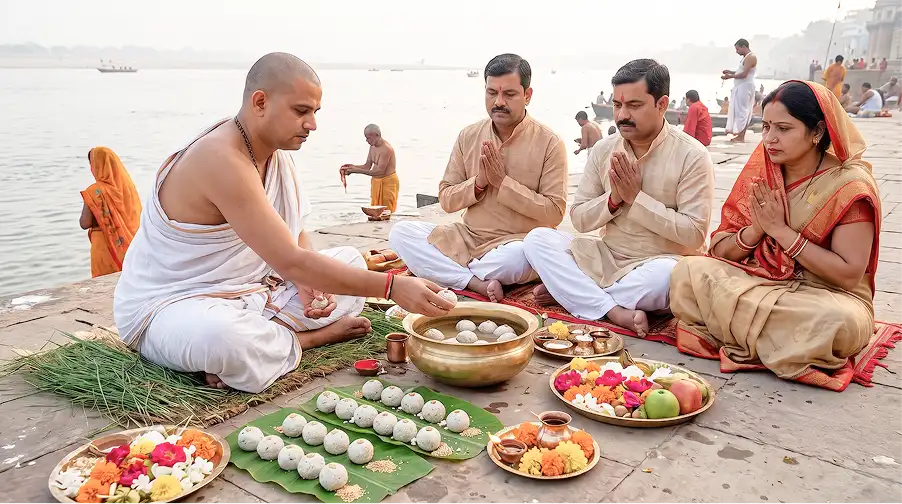
Sapindikaran Puja
A traditional ceremony marking the completion of important post-funeral rituals.
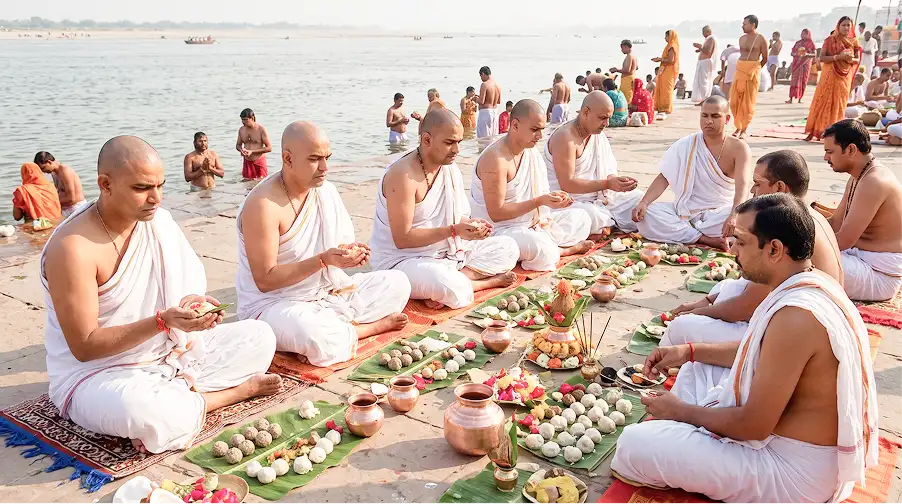
Mahalaya Shradh Puja
Offer collective prayers to departed ancestors on the auspicious Mahalaya Amavasya
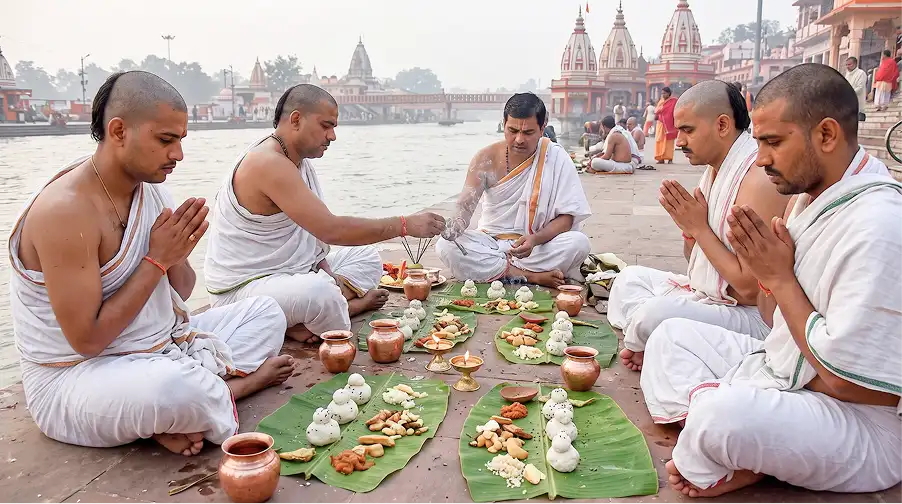
Tripindi Shradh Puja
A Vedic ceremony dedicated to ancestors believed to require special spiritual offerings.
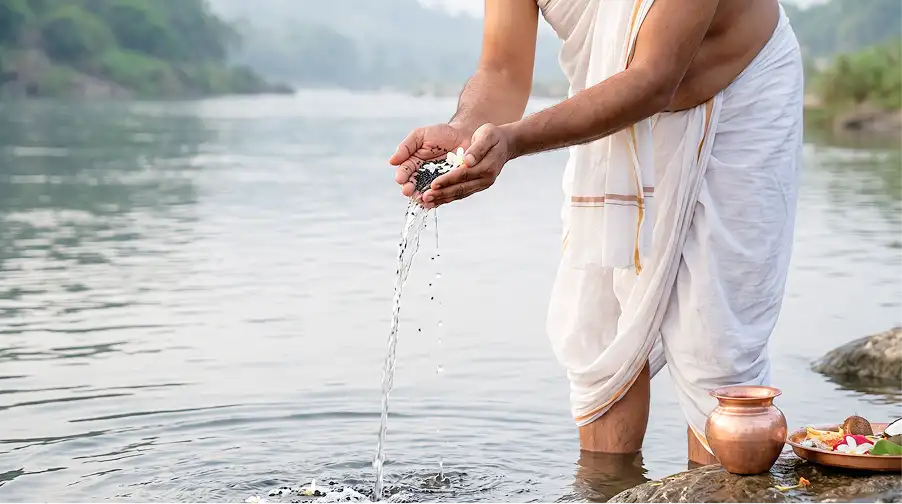
Nitya Tarpan Puja
A simple yet sacred daily offering of water and sesame seeds to departed souls.
Loading reviews...
Frequently Asked Questions
The Shradh Tithi is calculated according to the Hindu lunar calendar based on the deceased person’s date and time of death. A pandit can consult the Panchang and determine the appropriate Tithi for the annual ceremony.
If the exact death Tithi is unavailable, families may follow specific traditional options prescribed by their family custom or consult a knowledgeable pandit. Certain Amavasya or Pitru Paksha days may be observed depending on the circumstances.
Tithi Shradh is performed annually on the specific lunar date associated with an ancestor’s death. Pitru Paksha Shradh is performed during the designated fortnight of the Hindu lunar calendar, with each day corresponding to different Tithis.
Download our Application now!
Scan the QR code to get the User and Pandit ji app now