
Perform Amavasya Shradh with Trusted Vedic Pandits
Book Your Puja
Tailored spiritual experiences for every need

What is Amavasya Shradh?
Amavasya Shraddha is a sacred Hindu ritual performed on every Amavasya (new moon day) to honor and remember departed ancestors. It is believed that offering prayers, Tarpan, and food to one’s forefathers on this day brings peace to their souls and invites their blessings for the family’s well-being. According to Hindu scriptures, Amavasya is considered especially auspicious for ancestral rituals because it symbolizes a time when the connection between the living and the departed is spiritually significant.
Many devotees ask, “Amavasya ka Shradh kab hai?” or “When is Amavasya Shradh?” The ritual is observed on every monthly Amavasya throughout the year, while the Amavasya that falls during Pitru Paksha, known as Mahalaya Amavasya or Sarva Pitru Amavasya, holds the greatest importance. On this day, devotees pay respects to all ancestors, especially those whose exact death anniversary (Tithi) is unknown.
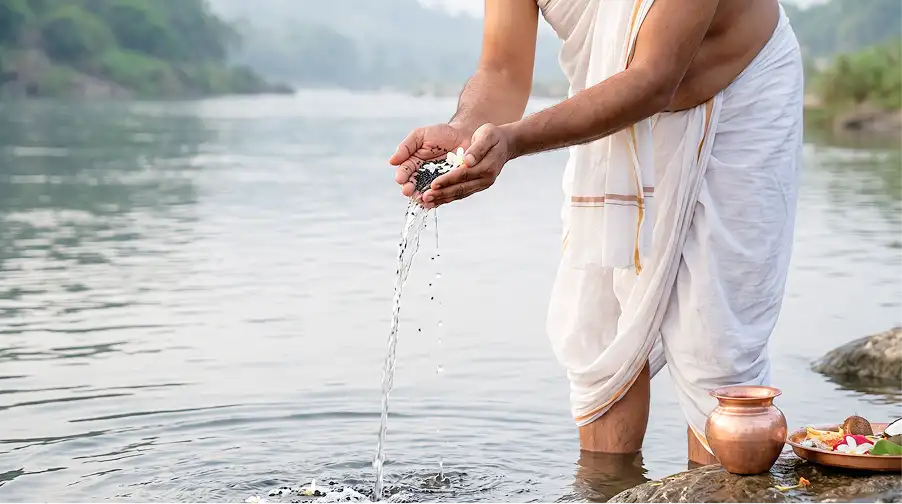
During Amavasya Shradh, devotees perform Tarpan by offering water mixed with black sesame seeds, prepare food offerings for their ancestors, and seek the guidance of a qualified Vedic pandit to complete the rituals according to tradition. Many families also offer donations, feed Brahmins or those in need, and pray for the spiritual peace and liberation of their ancestors.
Performing Amavasya Shradh with sincerity is believed to fulfill one’s ancestral duties, strengthen family traditions, and bring peace, prosperity, and harmony to future generations.
Amavasya Shradh Vidhi
The Amavasya Shradh vidhi is performed to honor departed ancestors and seek their blessings for peace, prosperity, and family well-being. While regional customs may vary, the ritual generally follows traditional Vedic procedures under the guidance of a qualified pandit.
Sankalp (Sacred Resolution): The ceremony begins with a Sankalp, where the devotee prays and takes a vow to perform Shradh for their ancestors on the auspicious day of Amavasya.
Tarpan: Water mixed with black sesame seeds, Kush grass, and Gangajal is offered while chanting Vedic mantras. Tarpan is considered one of the most important parts of the Amavasya Shradh vidhi.
Pind or Food Offerings: Depending on family traditions, pind or cooked food is offered to the ancestors with prayers for the peace and liberation of their souls.
Brahmin Bhojan and Daan: An important aspect of the Amavasya Shradh vidhi daan is offering food, clothes, grains, or dakshina to Brahmins and those in need. Many devotees ask, “Amavasya Shradh vidhi ka kya daan kare?” Traditionally, items such as rice, black sesame seeds, white clothes, seasonal fruits, grains, utensils, and monetary donations are considered auspicious.
Prayers and Blessings: The ritual concludes with prayers seeking forgiveness, expressing gratitude to ancestors, and praying for their blessings upon the family. Performing the ceremony with sincerity and proper Vedic guidance is believed to fulfill ancestral duties and strengthen family traditions.
Benefits of Amavasya Shradh
Performing Amavasya Shraddha is considered a sacred act of gratitude towards one’s ancestors. According to Hindu traditions, this monthly ritual helps honor departed souls, seek their blessings, and fulfill important ancestral duties. The significance of Shradh Amavasya is especially emphasized in scriptures, as Amavasya is believed to be an auspicious time for offering prayers and Tarpan to the Pitrus.
Brings peace and spiritual satisfaction to departed ancestors.
Fulfill Pitru Rin (ancestral debt) as prescribed in Hindu traditions.
Invites the blessings of ancestors for health, prosperity, and family harmony.
Helps reduce the effects of Pitru Dosh through sincere prayers and offerings.
Strengthens the family’s spiritual connection with previous generations.
Encourages gratitude, remembrance, and the continuation of ancestral traditions.
Performing Amavasya Shraddha regularly is believed to bring positivity and remove obstacles from family life.
The importance of Amavasya day in Shradh lies in the belief that the new moon day creates a spiritually significant time to offer Tarpan, food, and prayers to ancestors.
While every monthly Amavasya is considered auspicious, Shradh Amavasya during Pitru Paksha is regarded as the most important day to collectively honor all departed ancestors, especially those whose death anniversary is unknown.
Book Amavasya Shradh Puja Online or In Person
Connect with experienced Vedic pandits for a hassle-free Amavasya Shradh Puja and perform your ancestral rituals with complete peace of mind.

Offline / Online Amavasya Shradh Puja
With Pandits Near Me, you can perform Amavasya Shradh through both offline and online services.

Offline Amavasya Shradh
Amavasya Shradh Performed By Vedic Pandit At Holy Places Or Your Location
- •Book experienced pandits to perform Amavasya Shradh at your home or a preferred location.
- •Perform Tarpan, Shradh rituals, and offerings under the guidance of verified Vedic pandits.
- •Suitable for families who wish to perform the ceremony together according to Vedic traditions.
- •Complete assistance with ritual arrangements and puja coordination.

Online Amavasya Shradh
Amavasya Shradh Performed By Vedic Pandit On Video call
- •Participate in the Amavasya Shradh ceremony from anywhere through live video guidance.
- •Ideal for devotees living abroad or those unable to attend the ritual in person.
- •Our pandits perform the rituals with your Sankalp while you witness the ceremony online.
- •Easy booking, transparent pricing, and dedicated support throughout the ceremony.
How We Help
See how it works and simplify your puja booking experience.

Select Your Puja

Provide Your Details

Get Call From Us

Puja Confirmed

Types of Shradh Puja We Offer
Choose the right Shradh Puja based on your family’s traditions and ancestral rituals.
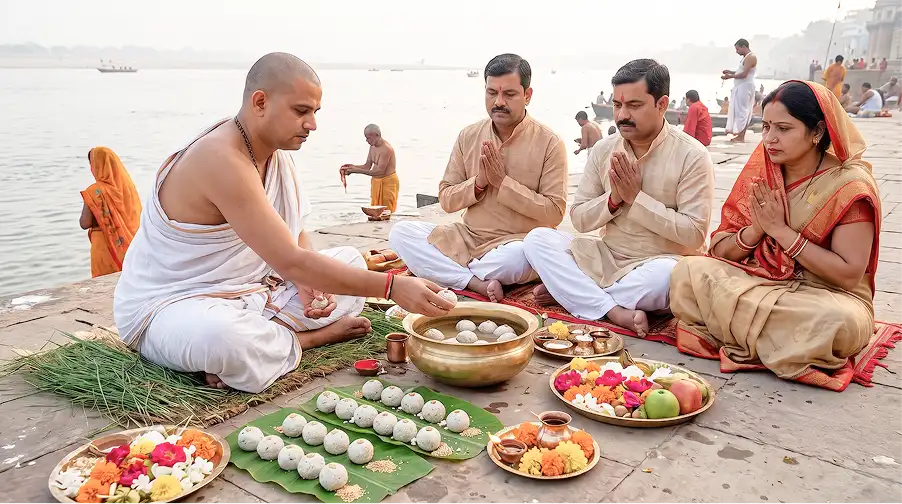
Sapindikaran Puja
A traditional ceremony marking the completion of important post-funeral rituals.
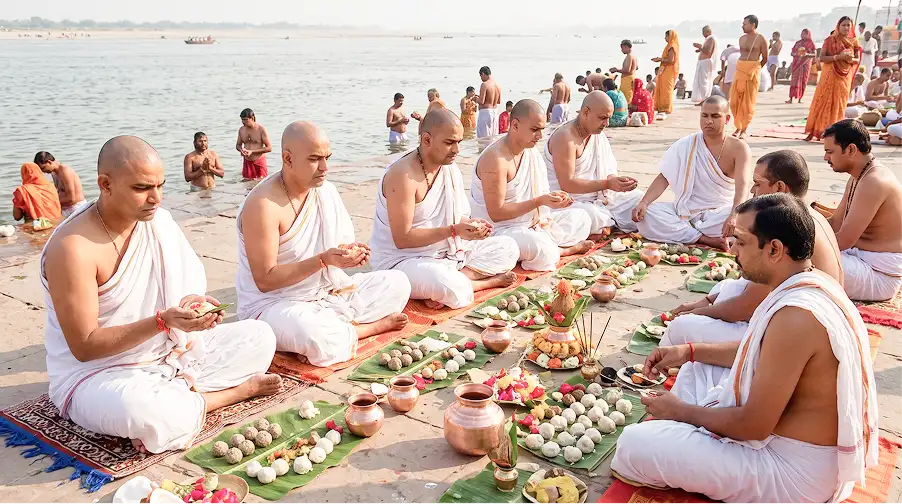
Mahalaya Shradh Puja
Offer collective prayers to departed ancestors on the auspicious Mahalaya Amavasya
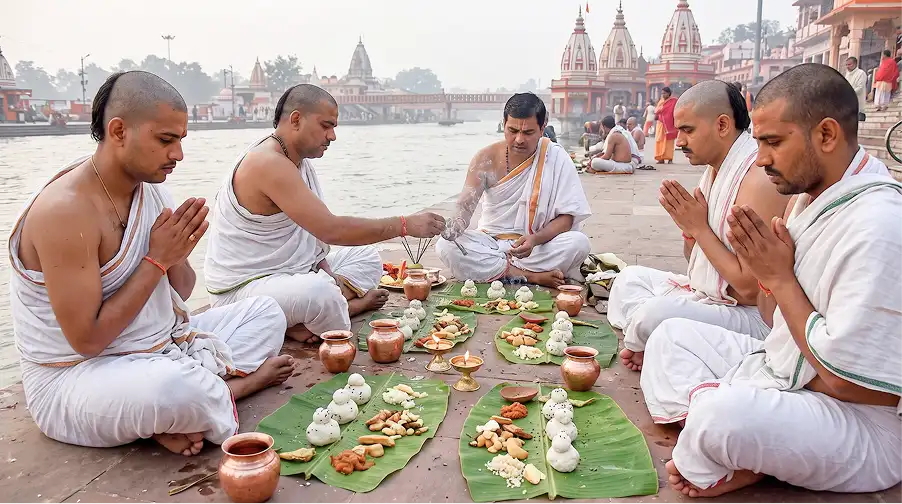
Tripindi Shradh Puja
A Vedic ceremony dedicated to ancestors believed to require special spiritual offerings.
Nitya Tarpan Puja
A simple yet sacred daily offering of water and sesame seeds to departed souls.
Loading reviews...
Frequently Asked Questions
Yes. Amavasya Shradh is observed on every monthly Amavasya and is considered an auspicious time to offer Tarpan and prayers to departed ancestors.
Fasting is not mandatory for everyone, but many devotees observe a simple fast or follow sattvic food practices before completing the Shradh rituals.
Yes. Amavasya Shradh can be performed at home with the guidance of a Vedic pandit, or you can opt for an online service if you are unable to attend in person.
Download our Application now!
Scan the QR code to get the User and Pandit ji app now