
Keep Ancestral Duties with Hiranya Shradha
Book Your Puja
Tailored spiritual experiences for every need

What is Hiranya Shraddha?
Hiranya Shraddha is a form of Shraddha ritual performed to honor and remember departed ancestors through offerings made according to Hindu traditions. The Hiranya Shraddha meaning refers to performing ancestral rites through Hiranya, traditionally meaning gold or monetary offerings, instead of preparing and offering cooked food or pind in the usual manner. It is generally performed when circumstances make a regular Shraddha ceremony difficult or when prescribed by family tradition and a qualified pandit.
Tarpanam or Hiranya Shradham may involve offerings of water, sesame seeds, and other prescribed items along with a monetary or symbolic offering. The ritual is performed with Sankalp and Vedic mantras while invoking the departed ancestors and seeking their blessings. In many traditions, Tarpana Shradha emphasizes offering water and sesame as an expression of remembrance, gratitude, and reverence toward the Pitru.
The exact procedure and offerings can vary according to regional customs, family traditions, and the specific occasion. Hiranya Shradha may be performed during an ancestor’s annual Shraddha Tithi, Pitru Paksha, Amavasya, or other appropriate occasions as advised by a knowledgeable Vedic pandit. Through this ritual, devotees fulfill their ancestral responsibilities while preserving the spiritual traditions associated with honoring the Pitru.
Hiranya Shradha Vidhi
The Hiranya Shradha Vidhi is performed under the guidance of a Vedic pandit, with the exact procedure varying according to regional and family traditions. The ritual generally includes the following steps:
Sankalp: The devotee takes a sacred vow mentioning the ancestor for whom the Shraddha is being performed, along with the purpose of the ceremony.
Purification: The worshipper and ritual space are purified before beginning the ceremony. Kush grass, water, and other prescribed items are used as part of the preparation.
Pitru Avahan: The pandit invokes the departed ancestors through Vedic mantras and prayers, inviting their presence during the Shraddha ceremony.
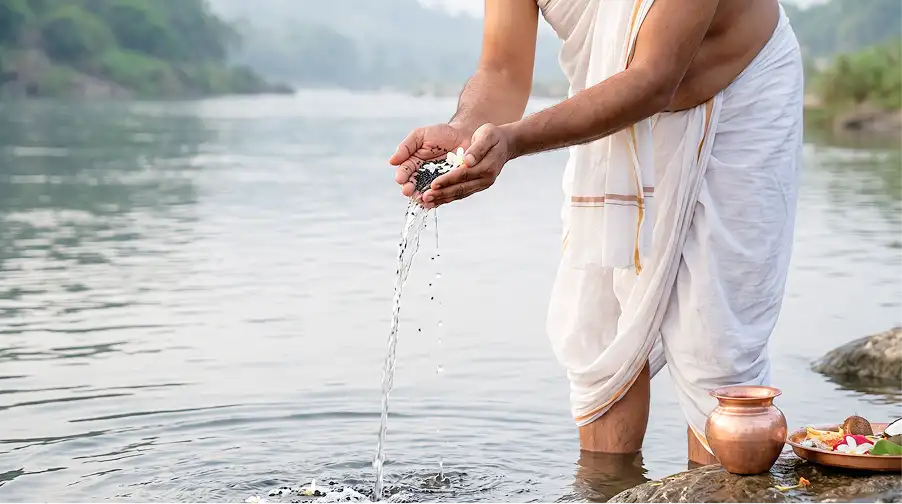
Tarpan: Water mixed with black sesame seeds is offered to the ancestors. This Tarpana Shradha offering represents remembrance, gratitude, and reverence toward the Pitru.
Hiranya Offering: As prescribed for this form of Shraddha, the devotee offers Hiranya, traditionally gold or a monetary equivalent, along with other required offerings. The offering is made with devotion in the name of the ancestors.
Mantra and Prayers: The pandit recites appropriate Vedic mantras and performs the prescribed prayers for the peace and spiritual well-being of the departed ancestors.
Dakshina and Completion: The ceremony concludes with Dakshina and prayers for the family’s well-being, followed by blessings from the pandit.
Benefits of Hiranya Shraddham
Performing Hiranya Shraddham is traditionally considered a meaningful way to honor departed ancestors, fulfill ancestral responsibilities, and express gratitude through prescribed Vedic prayers, offerings, and rituals performed with devotion.
Honors departed ancestors by expressing gratitude, remembrance, and respect for their place in the family lineage.
Helps devotees fulfill their traditional ancestral duties through prescribed Shraddha rituals and offerings.
Allows families to offer prayers for the spiritual peace and well-being of their departed ancestors.
Seeks the blessings of the Pitru for family harmony, prosperity, happiness, and overall well-being.
Provides spiritual satisfaction by allowing devotees to respectfully remember and honor their departed family members.
Helps preserve important ancestral traditions by continuing Shraddha practices followed across generations and different regions.
Tarpanam or Hiranya Shradham provides a traditional way to make prescribed offerings while remembering and honoring the ancestors.
The Hiranya Shraddha rituals allow devotees to perform the ceremony with appropriate offerings, prayers, and Vedic procedures under a pandit’s guidance.
The appropriate Hiranya Shraddha mantra is recited during the ceremony to accompany the prescribed prayers and offerings made for the departed ancestors.
Book Hiranya Shradha Online or In Person
Arrange your Hiranya Shradha with verified pandits from Pandits Near Me who follow traditional Vedic practices and provide convenient online or in-person ceremony options.

Offline / Online Hiranya Shradh Puja
With Pandits Near Me, you can perform Hiranya Shradha through both offline and online services.

Offline Hiranya Shradh
Hiranya Shradh Performed By Vedic Pandit At Holy Places Or Your Location
- •Book a verified pandit to perform Hiranya Shradha at your home or a suitable sacred location.
- •Receive direct guidance for Sankalp, Tarpan, offerings, mantras, and other prescribed rituals.
- •Participate personally in the ceremony and make the required offerings with the guidance of a pandit.
- •Get assistance with the required puja samagri and arrangements for the ceremony.
- •Suitable for families who prefer to observe the complete Shraddha ceremony in person.

Online Hiranya Shradh
Hiranya Shradh Performed By Vedic Pandit On Video call
- •Participate in the ceremony remotely while a verified pandit performs the rituals on your behalf.
- •Ideal for devotees who cannot travel or live away from their family or ancestral location.
- •Join the ceremony through live video and follow the pandit’s instructions during important rituals.
- •Receive guidance on the required offerings and ritual preparations before the ceremony begins.
- •A convenient option for performing the ceremony from home while maintaining traditional Vedic practices.
How We Help
See how it works and simplify your puja booking experience.

Select Your Puja

Provide Your Details

Get Call From Us

Puja Confirmed

Types of Shradh Puja We Offer
Choose the right Shradh Puja based on your family’s traditions and ancestral rituals.
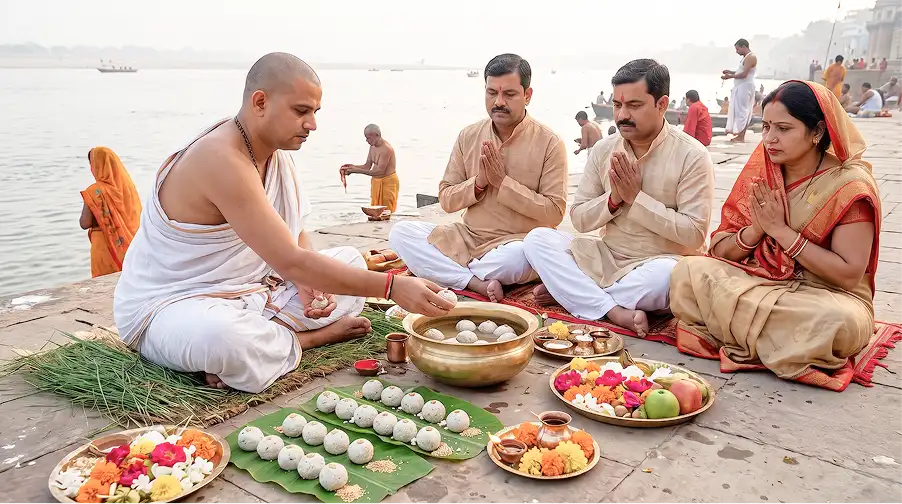
Sapindikaran Puja
A traditional ceremony marking the completion of important post-funeral rituals.
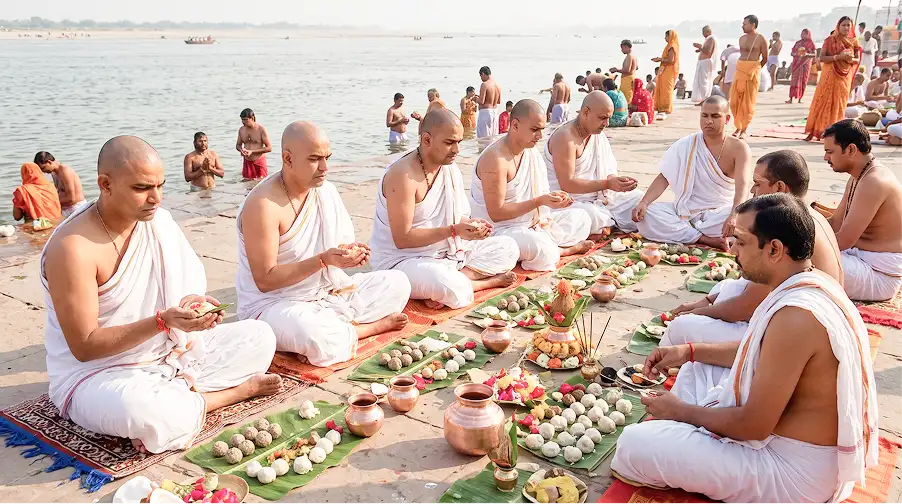
Mahalaya Shradh Puja
Offer collective prayers to departed ancestors on the auspicious Mahalaya Amavasya
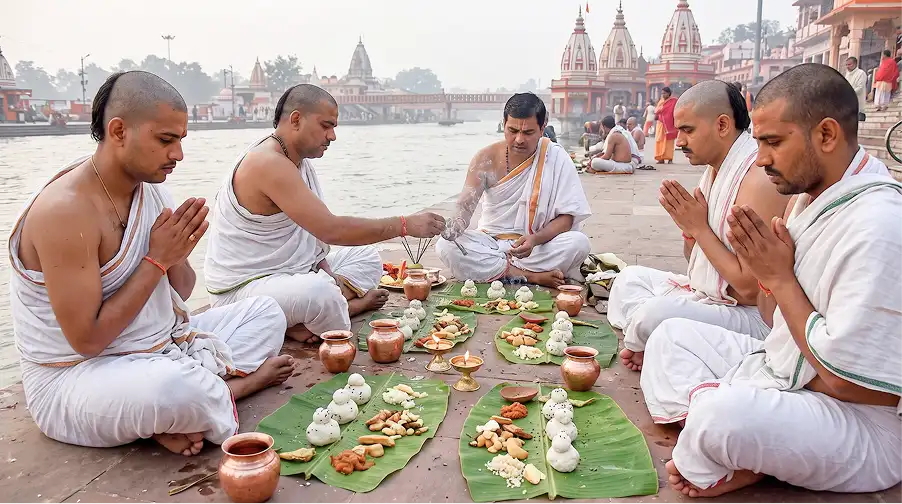
Tripindi Shradh Puja
A Vedic ceremony dedicated to ancestors believed to require special spiritual offerings.
Nitya Tarpan Puja
A simple yet sacred daily offering of water and sesame seeds to departed souls.
Loading reviews...
Frequently Asked Questions
Hiranya Shradha primarily involves prescribed monetary or symbolic Hiranya offerings along with Tarpan, prayers, and mantras, whereas regular Shraddha may include additional food and Pind offerings depending on the tradition.
The two rituals have different procedures and purposes within Hindu traditions. Whether Hiranya Shradha is appropriate in place of another Shradhha ceremony depends on the occasion, family customs, and a pandit’s guidance.
The offerings can vary by tradition and occasion but may include water, black sesame seeds, Kush grass, flowers, and the prescribed Hiranya or monetary offering along with Dakshina.
Download our Application now!
Scan the QR code to get the User and Pandit ji app now